1.The Art of the Gallery Wall
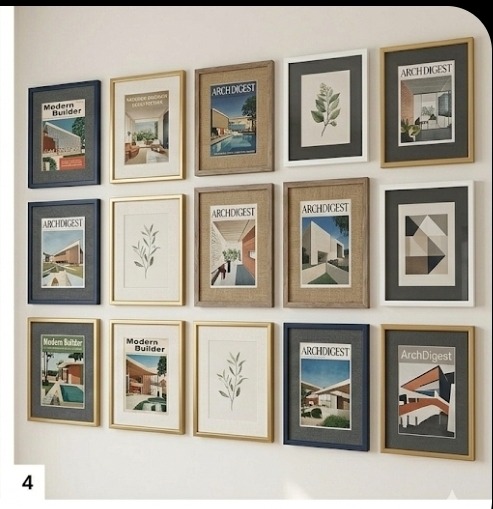
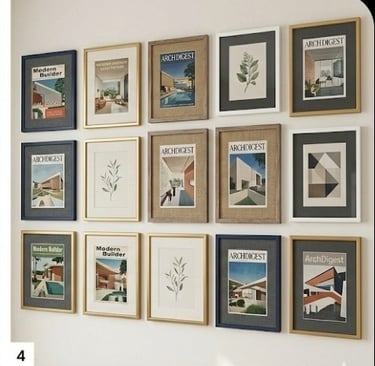
Put your pieces in expert framing to give the wall magazine a polished look. To maintain a unified and tidy appearance, keep 50–75 percent of the frames and mats the same color. However, to add visual interest and break up the composition, make sure to incorporate some variation in both color and texture.
2.Kitchen Decluttering Hacks
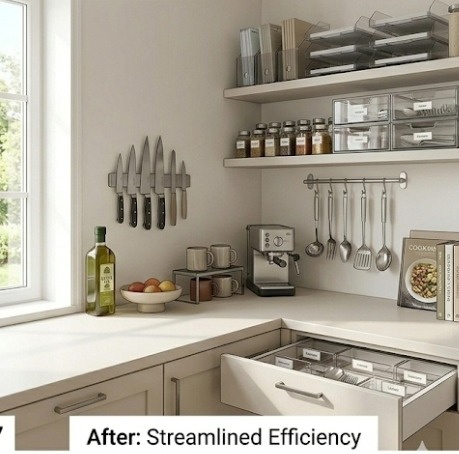
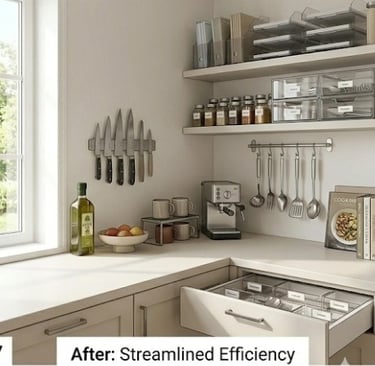
By reducing the number of everyday items on your countertops, making use of vertical space (hooks, magnetic strips, risers), and implementing the "one-in, one-out" rule for electronics, you can declutter your kitchen. Using drawer dividers, purging expired food or infrequently used appliances, and organizing by "zones" (such as baking or coffee) are important tips.
3.Home Office Essentials
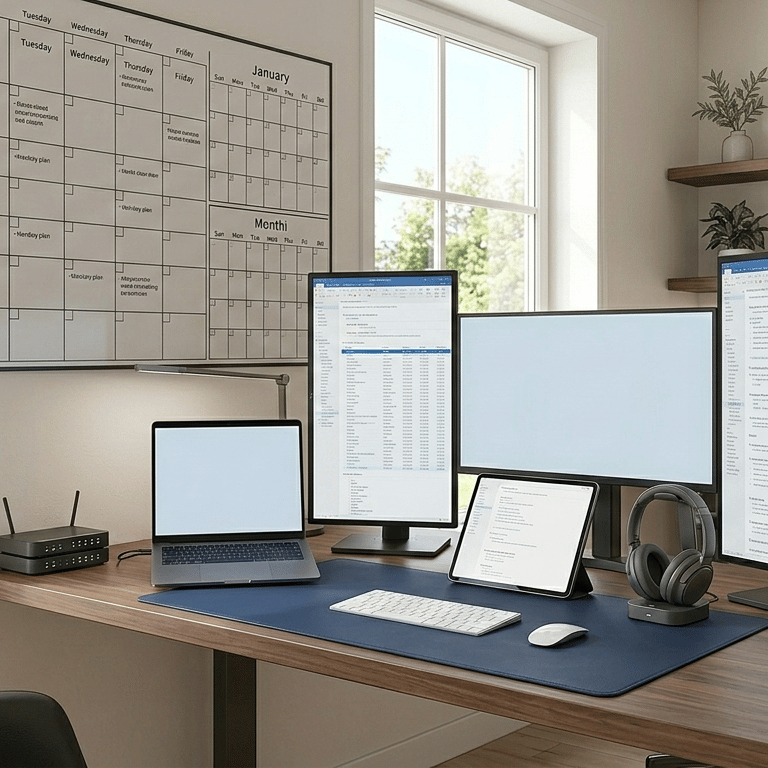
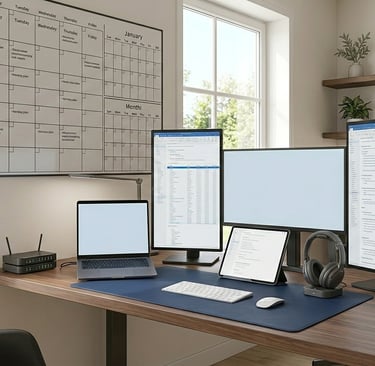
An ergonomic chair for back support, a roomy desk, dependable high-speed internet, and a dedicated computer setup (laptop/monitor) are all necessary home office supplies. Use cable management tools, noise-canceling headphones, and appropriate lighting to increase productivity. Add conveniences like a desk mat and use shelves, drawers, and planners to organize the area.
4.Sustainable Home Decor
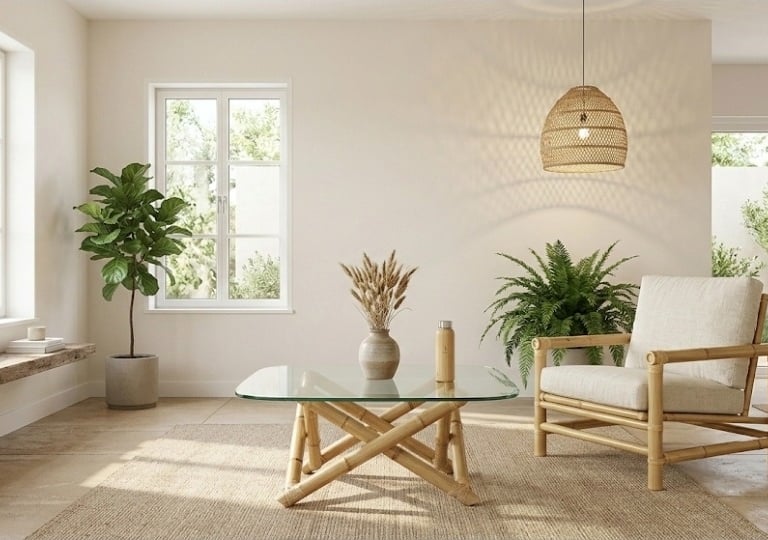
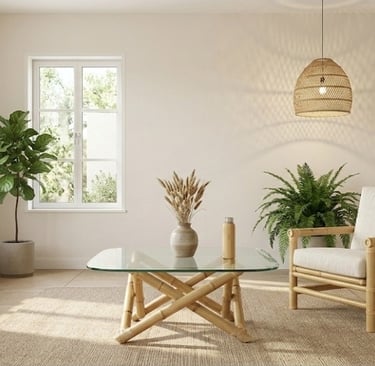
To build an environmentally sustainable home, homeowners must choose permanent, environmentally friendly solutions instead of using temporary synthetic materials. The main material changes involve selecting bamboo or reclaimed wood furniture, using LED lights, tinting the walls with low-VOC paints, and replacing synthetic materials with organic cotton and linen textiles. The combination of these practices and plastic waste reduction creates a healthier and more environmentally friendly living area.
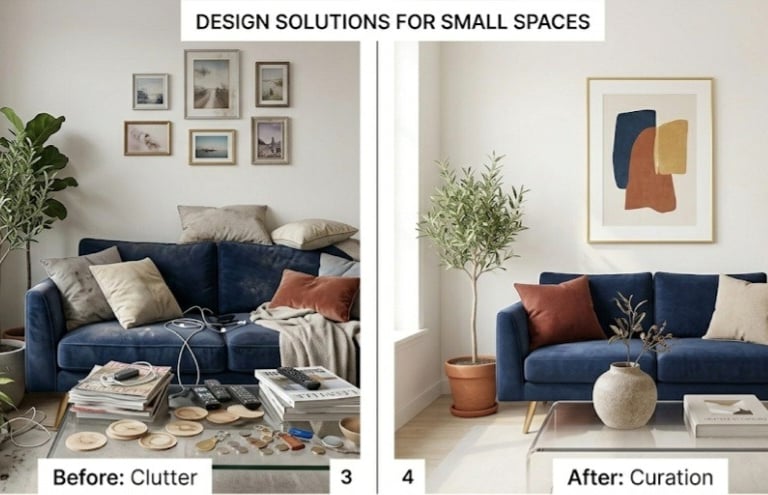
5.Clear the "Visual Clutter"
Nothing shrinks a room faster than too many items. If your coffee table is filled with magazines, remotes, and coasters, the room feels chaotic. Try to keep surfaces clear. A few large, meaningful decor pieces are much better for a small space than ten tiny trinkets.
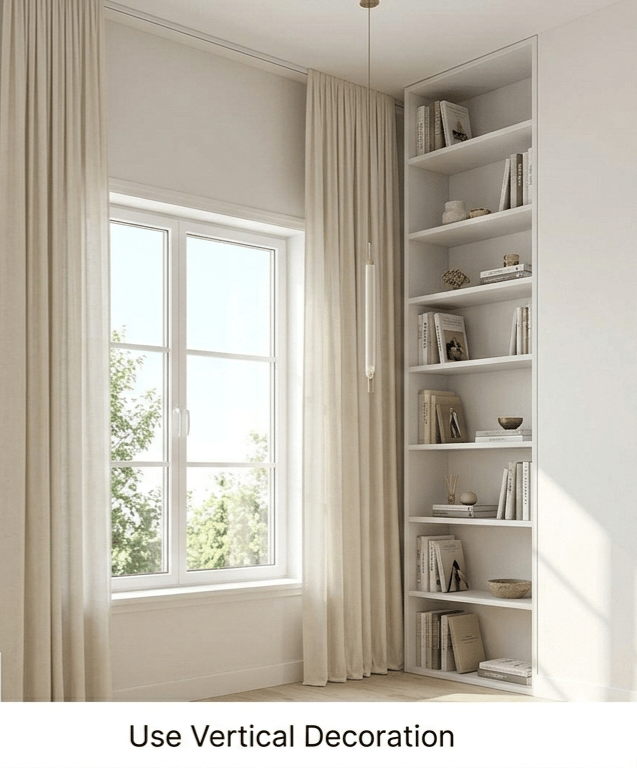
6.Use vertical decoration
If you're short on floor space, look up! Instead of hanging your curtains just above the window frame, use tall bookshelves or hang them directly at the ceiling line. This highlights the room's height and gives it a larger feel by drawing the eye upward.
7.Select "Leggy" furnishings
Many people don't take advantage of this pro tip. The eye is stopped by furniture that is flat on the floor, such as a solid sofa with no room underneath. On the other hand, the floor space extends beneath a sofa or bed that has visible legs. The room feels much more airy when you can see more of the floor.
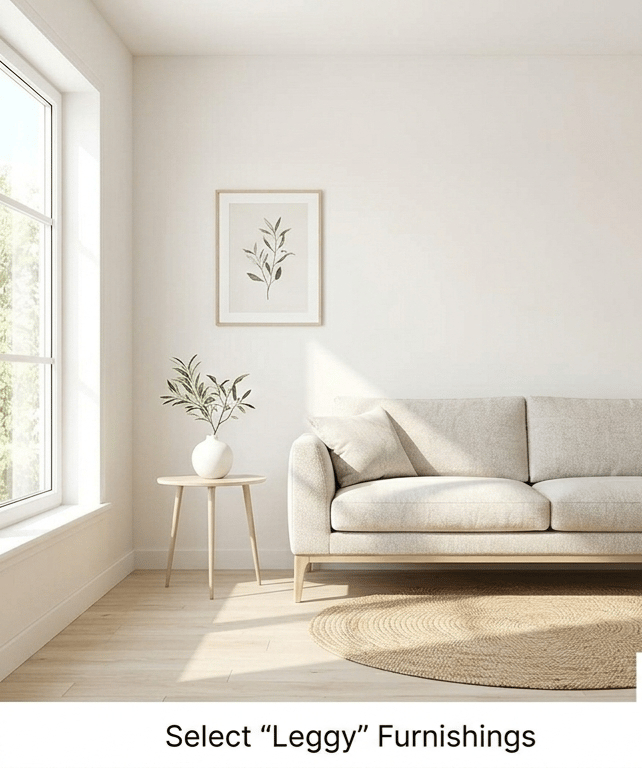
Make "Fake Windows" out of mirrors. The reason mirrors are the oldest trick in the book is because they are effective. You can reflect natural light and the outside world by positioning a large mirror across from a window. This gives the impression of depth, much like if you were to add another window to the wall.
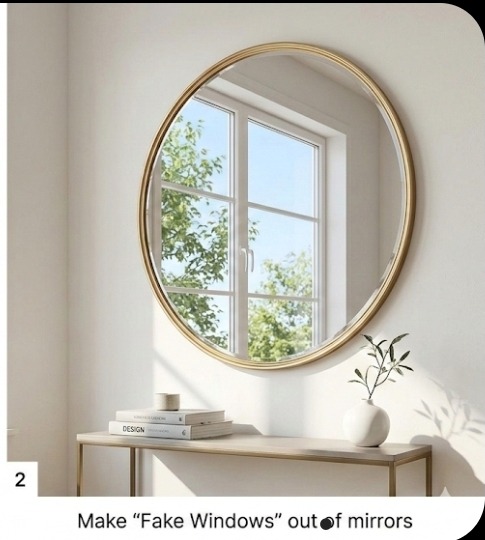
8.Make "Fake Windows" out of mirrors.
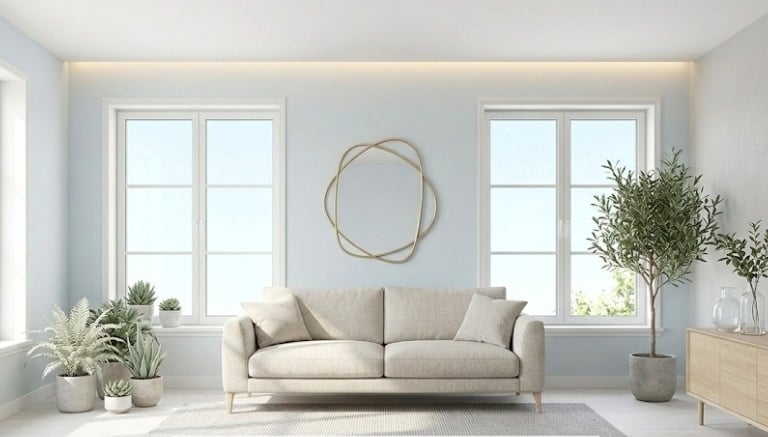
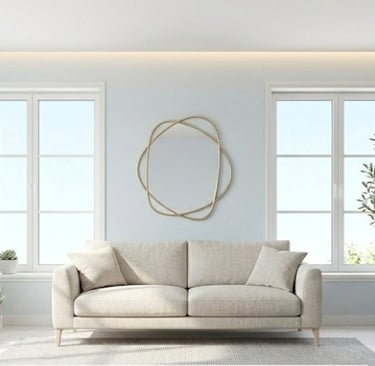
Accept the Influence of Light Colors Although dark hues are comfortable, they absorb light and create a cave-like atmosphere. Use a "pale" color scheme if you wish to enlarge your area. Natural light is much better reflected by light grays, soft whites, and even a very pale blue. It gives you a sense of openness by blurring the room's boundaries.
9.Accept the Influence of Light Colors.
9 Genius Hacks to Make Your Small Space Feel Huge
Living in a small apartment or a compact room doesn't have to feel like living in a shoebox. You don't need a sledgehammer or a massive renovation budget to change the vibe—you just need to play some clever tricks on your eyes.
Here are five pro-level design secrets to help you "stretch" your square footage and breathe a little easier.
1. Harness the Power of Pale Hues
Dark colors can be incredibly cozy, but they have a habit of absorbing light and making walls feel like they’re closing in. If you want to enlarge your area, think pale.
Soft whites, light grays, and even a whisper of pale blue act like a canvas for natural light. By reflecting light back into the room rather than absorbing it, these colors blur the hard boundaries of the walls, giving the illusion of an endless, open atmosphere.
2. Create "Fake Windows" with Mirrors
Mirrors are the oldest trick in the design playbook because they simply work. To maximize this effect, position a large mirror directly across from a window.
This does two things: it bounces natural light into the darker corners of the room and reflects the view outside. It tricks the brain into thinking there’s another window on that wall, instantly adding depth where there was once just a flat surface.
3. Opt for "Leggy" Furniture
Many people make the mistake of buying heavy, solid furniture that sits flat on the floor. While comfortable, these pieces act like "visual roadblocks" that stop the eye.
Instead, look for "leggy" furnishings. When a sofa, bed, or armchair is raised on visible legs, the floor space extends beneath it. Being able to see more of the floor makes the room feel much airier and less congested.
4. Think Vertically
When you’re short on floor space, the only way to go is up! Draw the eye toward the ceiling to highlight the room's height rather than its narrow width.
Pro Tip: Hang your curtains at the ceiling line rather than right above the window frame.
Storage: Use tall, slender bookshelves that reach toward the top of the room.
This vertical emphasis creates a sense of grandeur and makes even the most modest room feel significantly taller.
5. Clear the "Visual Clutter"
Nothing shrinks a room faster than "stuff." If every surface—from your coffee table to your nightstand—is covered in magazines, remotes, and tiny trinkets, the room will feel chaotic and tight.
6. Build a Sustainable Sanctuary
True sustainability isn’t a trend; it’s about choosing permanent, high-quality materials over temporary synthetics. To create a healthier home, start with the "bones" of your decor.
Materials: Swap mass-produced plastic furniture for bamboo or reclaimed wood.
Air Quality: Use low-VOC (Volatile Organic Compound) paints to avoid off-gassing chemicals.
Textiles: Replace synthetic polyester with organic cotton and linen.
Energy: Transition to LED lighting and actively work to reduce plastic waste.
By making these shifts, you aren't just decorating; you’re building an eco-friendly legacy.
7. The Ultimate High-Performance Home Office
A "desk and a chair" isn't enough anymore. To stay productive, you need a dedicated setup that supports your body and your workflow.
The Essentials:
Ergonomics: An ergonomic chair for back support and a roomy desk are non-negotiable.
Tech: Dependable high-speed internet and a dual monitor or dedicated laptop setup.
Focus Tools: Use noise-canceling headphones and task lighting to stay in the zone.
Organization: Keep the "mental load" low by using cable management tools, desk mats, and planners to keep your physical space tidy.
8. Master the "Gallery Wall" Like a Pro
Want that "magazine look" for your wall art? The secret lies in the framing. To achieve a polished, cohesive appearance without it looking boring, follow the 75/25 Rule:
Consistency: Keep 50–75% of your frames and mats the same color. This creates a unified "grid" that feels intentional.
Contrast: Fill the remaining percentage with variations in color and texture. This breaks up the composition just enough to add visual interest and personality.
9. Reclaim Your Kitchen Countertops
The kitchen is the heart of the home, but it’s often the biggest clutter magnet. To declutter effectively, you have to think vertically and strategically.
Clear the Counters: Store everyday items out of sight and use hooks, magnetic strips, and risers to utilize wall space.
Zone Your Space: Organize by activity—create a "baking zone" or a "coffee station" so everything you need is in one place.
The Pro Rules: Implement a "one-in, one-out" rule for new gadgets, use drawer dividers for utensils, and perform a regular "purge" of expired food and appliances you haven't touched ne-out" rule for new gadgets, use drawer dividers for utensils, and perform a regular "purge" of expired food and appliances you haven't touched in a year.